
No products in the cart.
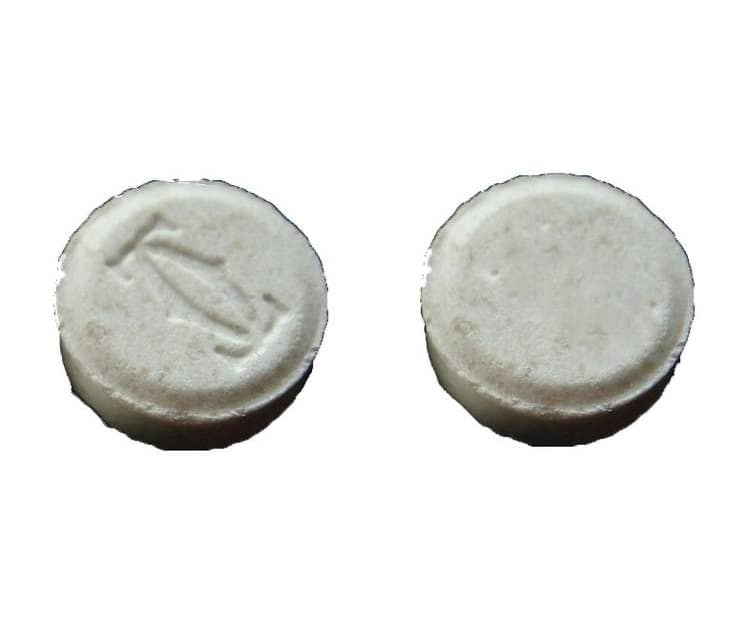
LSD (Lysergic Acid Diethylamide
$2.50
LSD (Lysergic Acid Diethylamide) 150mcg pill/tablets:
Lysergic acid diethylamide, abbreviated LSD or LSD-25, also known as lysergide and colloquially as acid, is a semisynthetic psychedelic drug of the ergoline family, well known for its psychological affects.
You can buy LSD (Lysergic Acid Diethylamide) 150mcg tablets online without prescription (No RX)
product price is as: per pill
Minimum order quantity is: 50 Pill
LSD (Lysergic Acid Diethylamide
What is LSD (Lysergic Acid Diethylamide) and Its Uses
LSD (Lysergic Acid Diethylamide-LSD, also known as acid, is a synthetic hallucinogen first synthesized in 1938 by Swiss chemist Albert Hofmann. It derives from lysergic acid, a compound found in ergot fungus that grows on rye and other grains. LSD is one of the most powerful psychoactive substances known, with effects occurring at microgram doses.Ambien (Zolpidem) 10mg
🧾 Traditional and Recreational Use
People have used LSD recreationally since the 1960s for its ability to profoundly alter perception, mood, and thought. Users often report visual hallucinations, intensified colors, distorted shapes, and heightened sensory experiences. LSD can also produce changes in consciousness, leading to feelings of euphoria, spiritual insight, or anxiety. Because of its unpredictable effects, recreational use carries risks such as panic attacks, psychosis, or dangerous behavior.
⚙️ Medical and Research Applications
Although LSD remains illegal for general use, researchers have explored its potential in psychedelic therapy. Studies suggest LSD may help patients with:
- Depression: By disrupting rigid thought patterns, LSD may allow new perspectives.
- Anxiety in terminal illness: LSD-assisted therapy has shown promise in reducing existential distress.
- Addiction treatment: Some research indicates LSD could help break cycles of alcohol or drug dependence.
These studies occur under strict medical supervision, with carefully controlled doses and therapeutic support.
⚠️ Risks and Side Effects
LSD does not cause physical dependence, but it can trigger psychological risks. Common side effects include dilated pupils, sweating, tremors, and insomnia. More serious risks involve “bad trips,” which can cause intense fear, paranoia, or hallucinations lasting up to 12 hours. Long-term effects may include flashbacks or hallucinogen persisting perception disorder (HPPD).
📌 Summary
LSD (Lysergic Acid Diethylamide) is a powerful hallucinogen that alters perception, mood, and thought. While recreational use remains illegal and risky, researchers continue to study its potential therapeutic benefits in treating depression, anxiety, and addiction. Its effects are profound, unpredictable, and demand careful medical oversight in any legitimate setting.
Reviews
There are no reviews yet.
Related products

ADD / ADHD
$4.00

ANTI ANXIETY
$0.70

ADD / ADHD

ADD / ADHD
$1.20

ADD / ADHD
$1.50

ADD / ADHD
$0.40

ADD / ADHD
$4.00

ANTI ANXIETY
$0.70
Be the first to review “LSD (Lysergic Acid Diethylamide”