
No products in the cart.
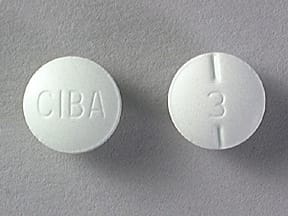
Ritalin methylphenidate hydrochloride
Ritalin methylphenidate hydrochloride-Ritalin (methylphenidate hydrochloride) is a prescription medication primarily used to treat attention deficit hyperactivity disorder (ADHD) and narcolepsy. It belongs to a class of drugs known as central nervous system (CNS) stimulants, which work by increasing the activity of certain neurotransmitters in the brain, particularly dopamine and norepinephrine. These chemicals play a key role in attention, focus, and impulse control.flexeril (cyclobenzaprine)
🌿 How Ritalin Works
Ritalin stimulates the brain by blocking the reuptake of dopamine and norepinephrine, allowing these neurotransmitters to remain active longer. This improves communication between nerve cells, helping patients with ADHD to concentrate better, reduce impulsive behavior, and stay organized. For narcolepsy, Ritalin promotes wakefulness and reduces excessive daytime sleepiness.
Ritalin methylphenidate hydrochloride
🧾 Main Uses
- ADHD in children and adults: Enhances focus, reduces hyperactivity, and improves academic or work performance.
- Narcolepsy: Helps patients stay awake during the day and manage sudden sleep attacks.
- Off-label uses: Sometimes prescribed for treatment-resistant depression or cognitive disorders, though this is less common.
⚙️ Administration
- Available in immediate-release tablets, extended-release capsules, and liquid formulations.
- Dosage varies depending on age, condition, and response to treatment.
- Typically taken once or twice daily, with extended-release forms lasting longer to reduce multiple doses.
⚠️ Side Effects & Risks
- Common side effects: Insomnia, nervousness, loss of appetite, stomach upset, and headache.
- Serious risks: Cardiovascular issues (increased blood pressure or heart rate), potential for misuse or dependence, and worsening of psychiatric conditions such as anxiety or bipolar disorder.
- Precautions: Not recommended for individuals with severe heart problems, glaucoma, or a history of substance abuse.
📌 Summary
Ritalin is a CNS stimulant medication widely prescribed for ADHD and narcolepsy. By boosting dopamine and norepinephrine activity, it helps improve focus, reduce impulsivity, and promote wakefulness. While highly effective, it carries risks of side effects and potential misuse, so it must be taken under strict medical supervision.
🔑 Ritalin vs Adderall Comparison
| Feature | Ritalin (Methylphenidate) | Adderall (Amphetamine salts) |
|---|---|---|
| Onset of action | Works faster (20–30 minutes) | Slower onset (30–60 minutes) |
| Duration | Shorter (3–4 hours IR, 6–8 hours ER) | Longer (4–6 hours IR, 10–12 hours XR) |
| Best for | Quick symptom control, children with ADHD | Sustained focus, adults needing longer coverage |
| Side effects | Insomnia, appetite loss, stomach upset | Increased blood pressure, anxiety, insomnia |
| Risk of misuse | Moderate | Higher due to longer stimulant effect |
| Forms available | Immediate-release & extended-release tablets | Immediate-release & extended-release capsules |
Sources: WebMD, ADDitude Magazine, GoodRx
-
-
-
-
-
-
-
-
See more
📌 Key Takeaways
- Ritalin: Faster onset, shorter duration → better for children or those needing quick symptom relief.
- Adderall: Longer duration → better for adults or those needing all-day coverage.
- Effectiveness: Both work well for ADHD, but individual response varies; often trial and error is needed.
- Safety: Both carry risks of insomnia, appetite suppression, and misuse, so medical supervision is essential.
Related products

ADD / ADHD

ADD / ADHD
$2.90

ANTI ANXIETY
$0.70

ADD / ADHD
ADD / ADHD
$9.00

$6.50

ADD / ADHD
$1.50

ADD / ADHD
$1.50